FLUID BEHAVIOUR
Retail is no longer defined solely by what people buy but by how long they stay, how they feel while there, and whether they return. Across high streets and shopping centres, coffee has moved from a convenience to a core part of this experience.
Retailers can leverage their coffee offering to actively shape behaviour in-store, influencing dwell time and how people move through retail spaces.
The traditional retail model – ‘enter, browse, purchase, leave’ – is giving way to more fluid behaviour. Many environments are now designed to encourage customers to ‘stay, sit and return’, with success no longer measured just by conversion but dwell time, engagement and return on investment per visit.
Coffee plays a central role in this shift, helping turn quick visits into longer, more relaxed experiences.
Retailers must also appeal to younger audiences who expect speed without compromise. For them, coffee is part of a grab-and-go routine: quick, high-quality, seamless.
Coffee sits at the centre of both needs – offering a pause when time allows, momentum when it doesn’t.
BRAND EXPRESSION
From the curated café experiences inside Anya Hindmarch’s The Village in Chelsea to the design-led concepts of Nordic design and lifestyle specialists Arket, coffee is becoming an extension of brand identity, part of the retail narrative itself.
High-street leaders such as Uniqlo and H&M have also explored in-store café concepts in flagship locations, recognising the role hospitality plays in extending customer journeys. And this is visible across food retail. Supermarkets such as Waitrose have long integrated café culture into stores, while others such as Tesco and Sainsbury’s continue to evolve their offering.
Expectations around quality have also risen, driven by the rise in specialty coffee culture, with an expectation of greater choice and personalisation, even outside traditional café settings.
Coffee has become a continuous presence throughout the day, shaping how people move through retail spaces:
- Morning: functional drinks such as matcha lattes, plant-based coffees and lighter blends.
- Midday: iced coffees and cold brews that support longer browsing, social visits or a quick reset.
- Afternoon: espresso-based drinks and decaf options that offer a final lift or gentle pause before heading home.
No longer confined to a narrow breakfast window, retailers needs to adapt to different moments of the day.
SCALE WITHOUT COMPROMISE
A key element is the human interaction of a barista at the counter. A short exchange, personalised recommendation or familiar face helps shape how a space is remembered. This human touch differentiates coffee-led retail from purely transactional environments, adding connection and a sense of place.
However, delivering this consistently is not simple. Retailers are managing more drink types, higher expectations and increased demand across multiple dayparts. At the same time, labour constraints and training gaps make consistency difficult to maintain at scale.
This creates a clear challenge: how to deliver café-quality drinks without relying on specialist staff?
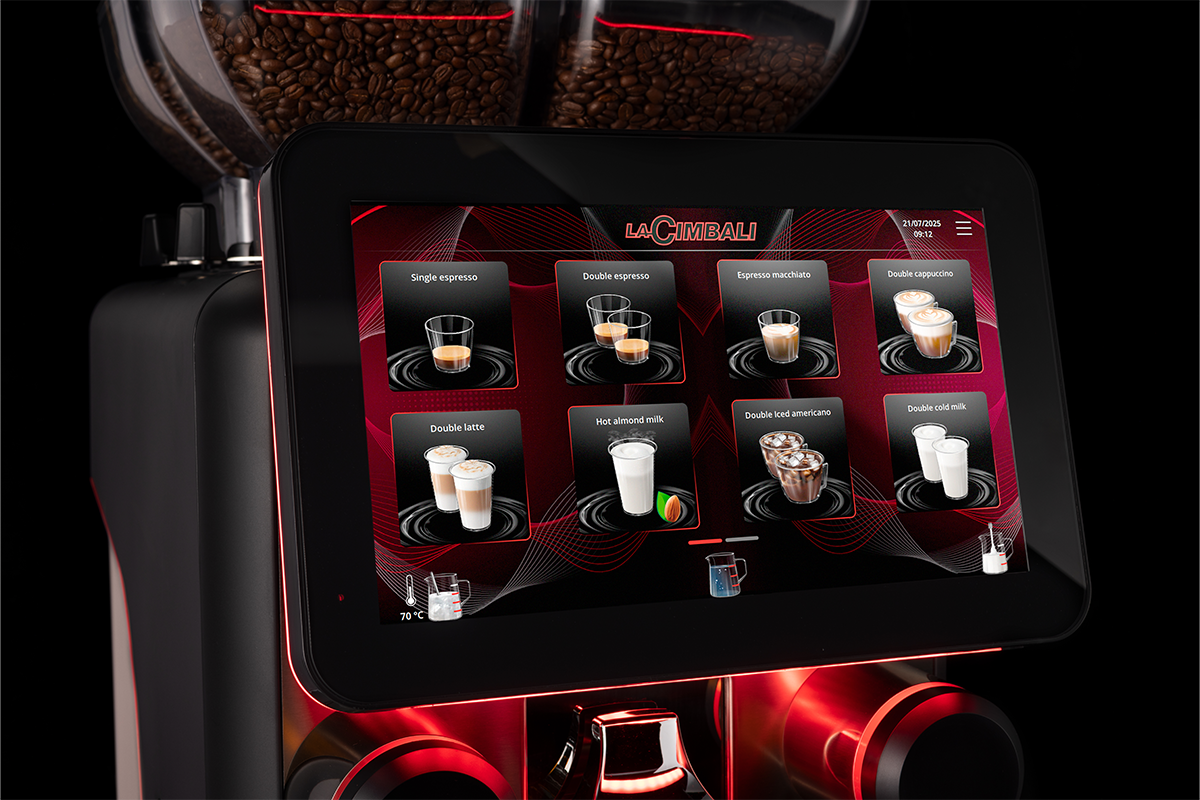
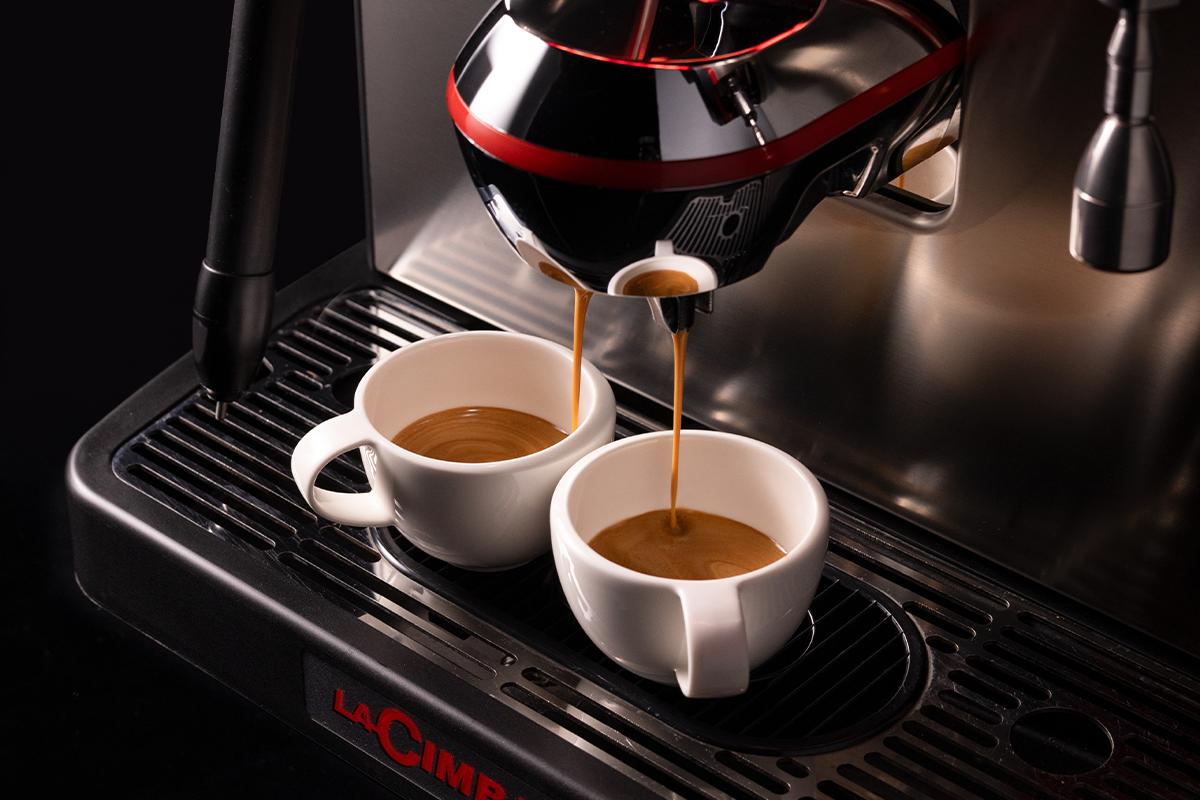
Increasingly, technology is helping bridge this gap, with modern coffee systems designed to deliver consistency, speed and volume simultaneously. High-capacity machines such as the LaCimbali S60 meet peak demand without compromising quality or slowing service.
Modular and flexible platforms like LaCimbali Supera help operators adapt to changing menus and preferences. From plant-based drinks to matcha and cold beverages, they allow expansion without operational complexity.
Connected platforms enable remote monitoring, recipe standardisation and multi-site control, providing a more consistent experience across locations. Rather than replacing staff, they shift the focus back to service, interaction and creating a welcoming environment.
In conclusion, a broader redefinition of the ‘coffee destination’ is emerging. No longer limited to cafés, it includes fashion stores, supermarkets and mixed-use retail environments.
Here, coffee becomes more than a product; it becomes infrastructure for experience.
For retailers, the opportunity lies in combining atmosphere, quality and operational efficiency to reimagine how their spaces perform. The question is no longer whether to offer coffee but how seamlessly it fits into everyday life, for those on the go, and those who choose to stay.