GATHERING PLACE
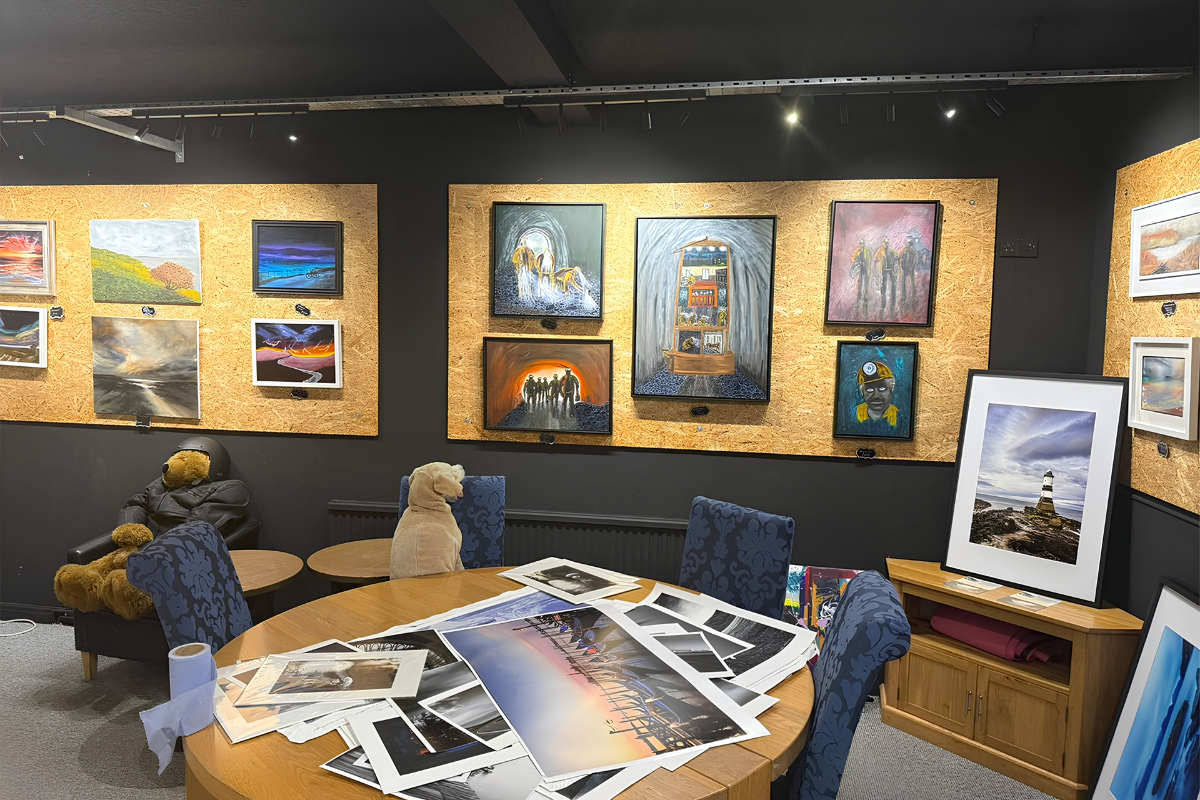
Baobab Cymru, located at The College Inn in Carmarthenshire, offers a range of dishes, using locally sourced products available for takeaway and sit-in, alongside regular café items. The venue will also feature a gallery showcasing African and Welsh artwork.
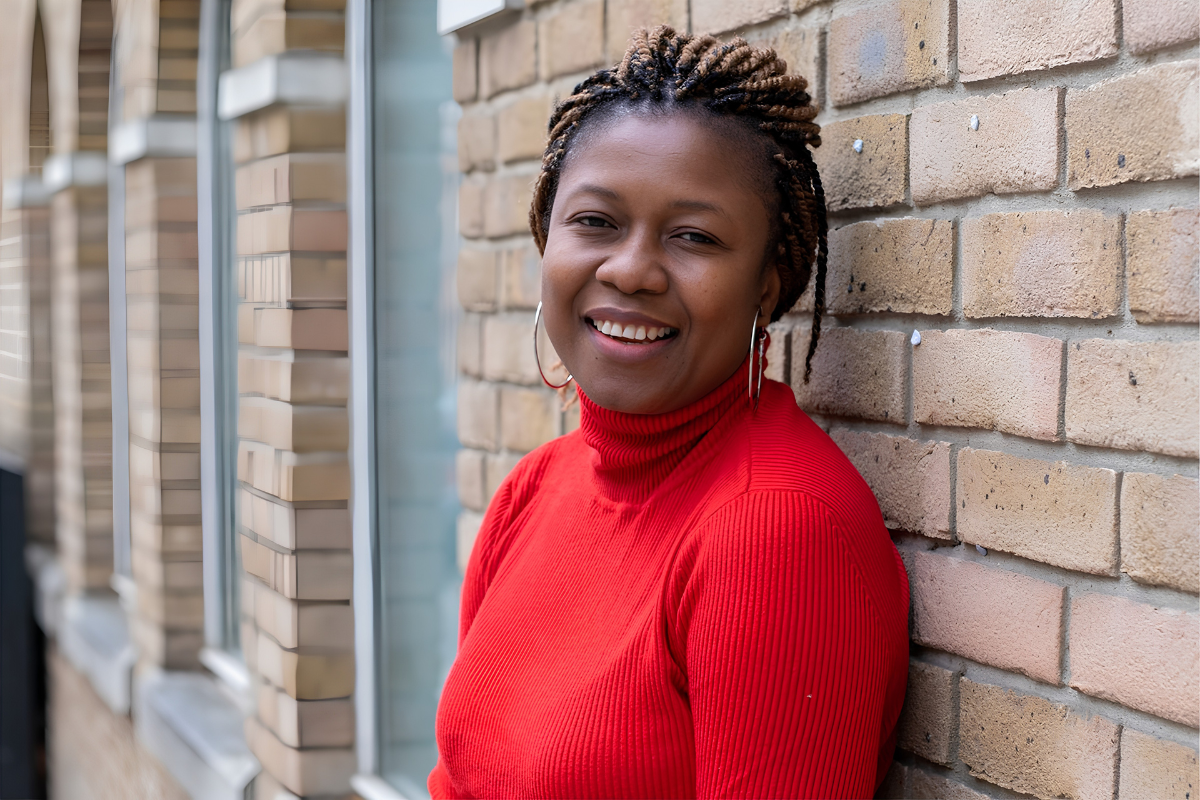
“This is about bringing two cultures I love together in one space,” said Amanor-Wilks. “West African food, Welsh hospitality and a place where people can eat well and feel welcome.”
But how did the project evolve?
“I’ve spent 25 years in strategic communications, running my own consultancy. But food has always been central to my life. I’m Ghanaian-British – my father was Dagomba from the north, my mother Ewe from the south – and I grew up with the smells and tastes of West African cooking.
“When the opportunity came up to take over a former village pub, it felt like the right moment. The Amman Valley has no African food offering at all. I saw a gap but, more than that, a chance to share something meaningful with my adopted Welsh community.”
The baobab is the tree of life in West Africa – a gathering place, a source of nourishment. Cymru is Wales.
“We’ve kept startup costs low by being smart: financing the coffee equipment, using family for staffing, keeping the model simple. I’m not trying to build an empire; I’m trying to build something sustainable that serves the community.”
LOCAL SOURCING
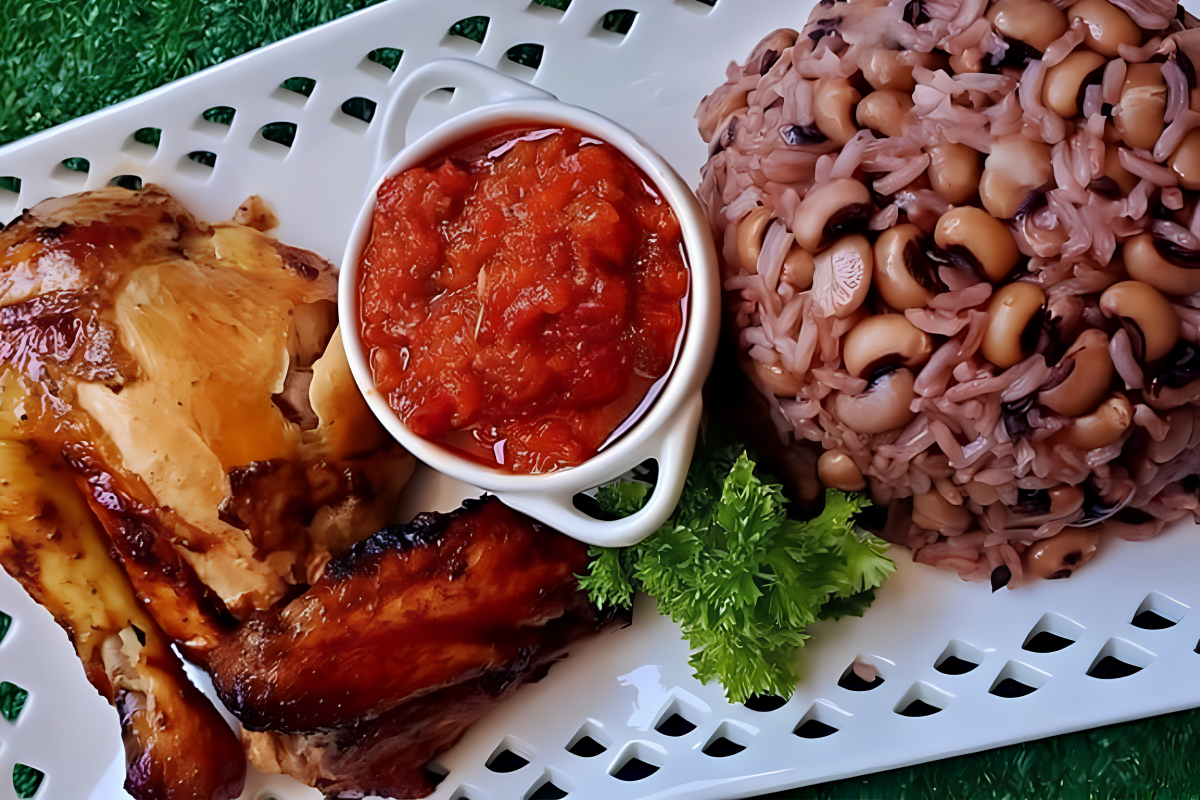
The menu is Ghanaian, with a few wider West African influences. Core dishes include jollof rice – the famous one-pot creation that sparks passionate debate across West Africa – served with grilled chicken or fish. Waakye is a rice and beans offering from northern Ghana, while Red Red is a vegan black-eyed bean stew with fried plantain. Additionally, there’s groundnut soup with fufu and slow-cooked goat.
Snacks include kelewele (spiced fried plantain), meat pies, spring rolls and chin chin – a crunchy fried dough snack – and some Welsh bites as well.
“Everything is made fresh,” continued Amanor-Wilks. “We source locally where we can, with meat from Welsh suppliers and vegetables from local greengrocers. Specialist ingredients like palm oil, ground crayfish and spices come from African suppliers in Birmingham and London.
“And bakery items come from Pitchfork & Provision and a local Welsh bakery – becws Cymreig. Their croissants and cakes complement the African offering beautifully.
“All our menus are bilingual – English and Cymraeg. That matters here. It signals that we’re not just in Wales, we’re part of Wales.”
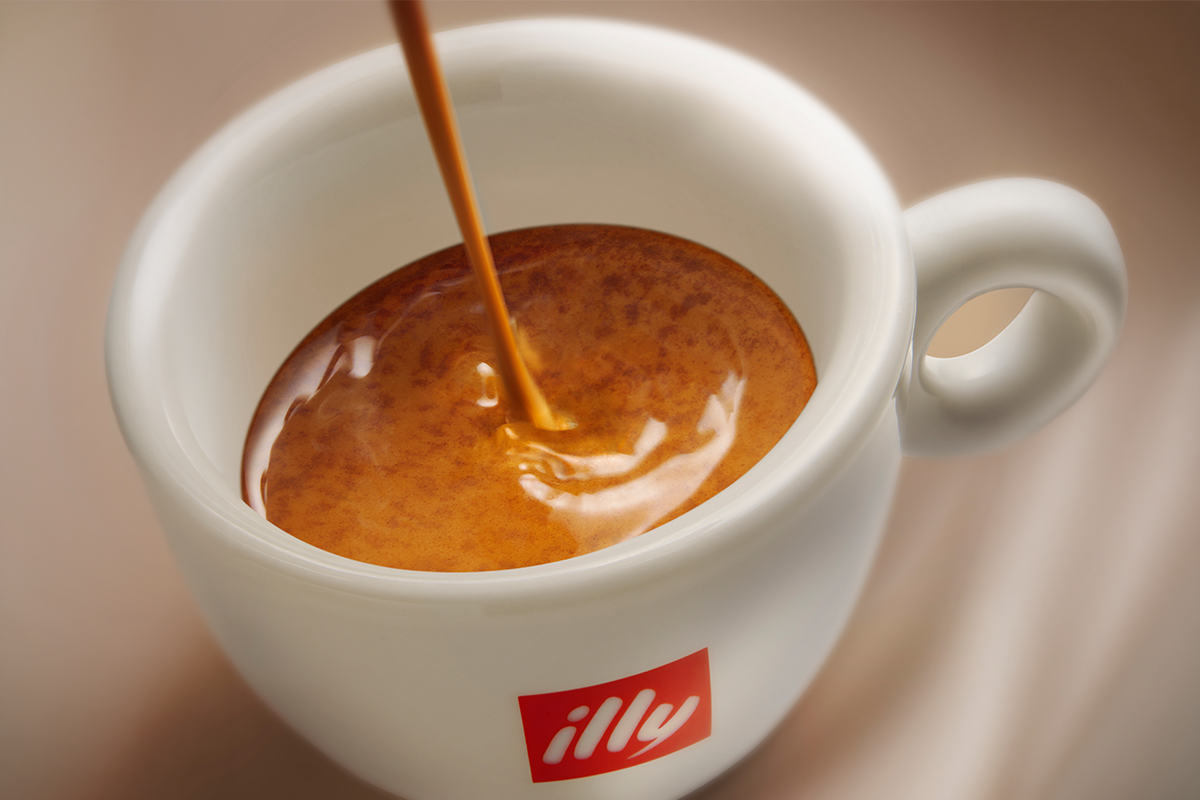
This continues with the coffee, with a Welsh roaster supplying the espresso machine and training the team.
“We look to do the classics well. Espresso, flat whites, cappuccinos, Americanos. We’ll offer oat milk and alternatives, with iced coffees in summer – but I’m not chasing trends for the sake of it. This is a village in rural Carmarthenshire, not Shoreditch. People here want a good cup of coffee made properly, not a gimmick.
“That said, we are also offering bissap – a West African hibiscus drink served cold. It’s refreshing, naturally caffeine-free and a talking point. If customers want something different, that’s our signature.”
SENSE OF COMMUNITY
Opening an independent café in the current financial climate is a huge challenge. Fortunately, Amanor-Wilks is not betting everything on the project, with an established consultancy providing steady income. The site needs to cover costs and grow but she’s not in a position where one slow month is hugely damaging.
However, the business has no direct competition in terms of menu offering, which is a real bonus in a crowded market.
“Another advantage is that sense of community – this isn’t a faceless chain. I live and work here, while local councillors came to the opening. The Welsh language community has embraced us, and when you’re embedded in a place, people want you to succeed.”
She expects the customer balance to tip towards eat-in and collection rather than delivery.
“We’re in a rural area, so the economics of third-party delivery apps don’t work and distances make it impractical. We use an app for online ordering, so customers can access collection and delivery. That’s the model: people order ahead, pick up, take home. Or they sit in and eat.
“The venue has a gallery space too – oriel – so we’re hoping people will come, eat, browse the art, stay a while. That dwell time matters.
“It feels like the right moment for this concept. People are curious about global cuisine and West African food is having a moment in London – it just hasn’t reached Carmarthenshire yet.”
For opening times and menu go to https://www.baobab.cymru/