
EASY DOES IT
Café operators may be significantly overestimating how much time customers spend choosing what to buy.
New insight from The Original Baker suggests that most purchasing decisions at the counter are made within just five to 10 seconds, with customers relying on fast, instinctive judgements rather than deliberate comparison.
The finding reflects well-established behavioural science, often referred to as ‘System 1 thinking’ – where decisions are quick, automatic and driven by visual cues, familiarity and perceived value. In this mode, the brain is not optimising for the ‘best’ choice but the easiest one.
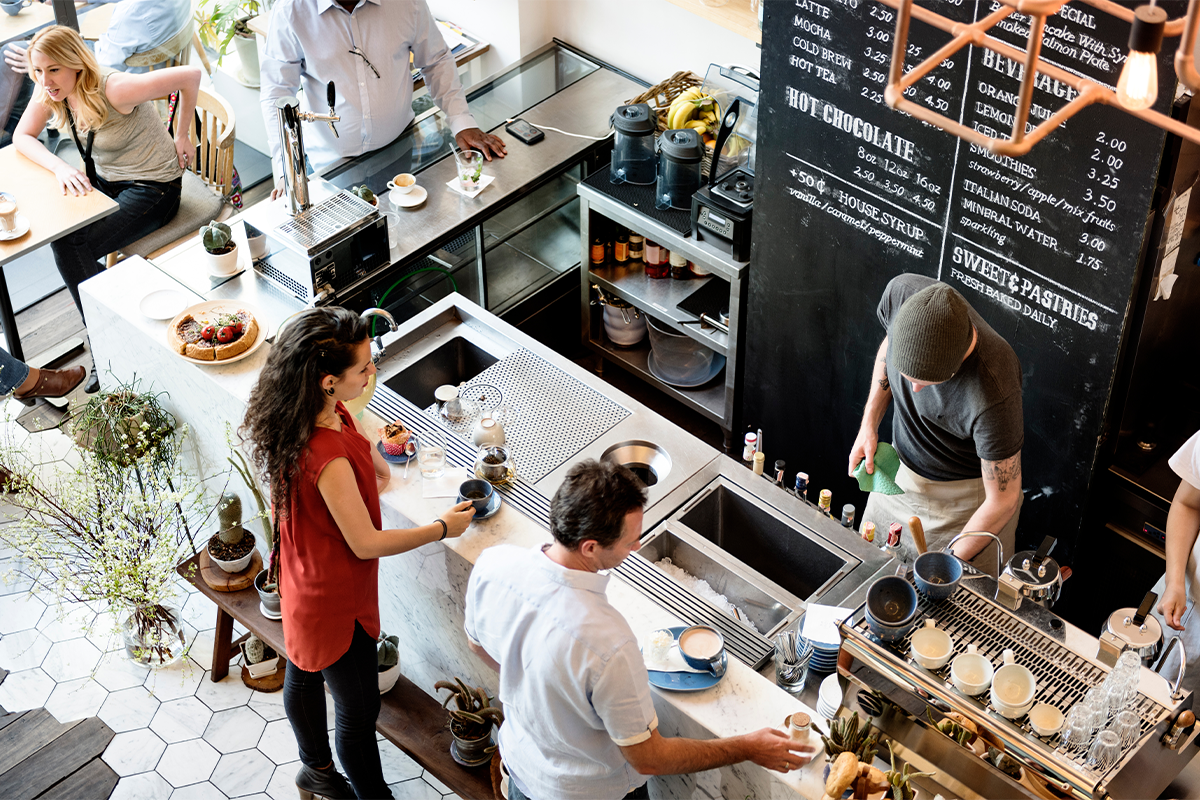
In busy café and FTG environments, this behaviour is intensified by queues, time pressure and cognitive load. Customers are not reviewing every option. Instead, they follow a pattern of rapid visual scanning → instant filtering → low-effort selection, typically defaulting to what feels most immediately understandable. This creates a growing mismatch between how menus are designed and how customers actually choose.
Products are effectively competing for attention in a very narrow window, often just a few seconds, where visibility and clarity outperform variety.
“Many cafés are still designing menus as if customers are taking time to compare,” said Kevin Walton, head of marketing at The Original Baker. “In reality, most decisions happen almost instantly. If a product isn’t understood at a glance, it’s often missed.”
DECISION FATIGUE
The findings also align with the principle of choice overload, where too many options increase cognitive effort, reduce confidence and lead to decision deferral or default choices. In practice, this means larger menus don’t expand sales – instead compressing them into a smaller number of familiar, safe options.
There is also evidence of decision fatigue during peak periods. As customers move through queues and make multiple micro-decisions (what to eat, what to drink, eat-in or takeaway), their willingness to process complexity declines further. By the time they reach the counter, they are primed to choose quickly, not explore.
The three consistent drivers of conversion at the counter:
- Clarity: Products that can be understood instantly reduce cognitive effort.
- Familiarity: Recognisable formats act as mental shortcuts, increasing purchasing confidence.
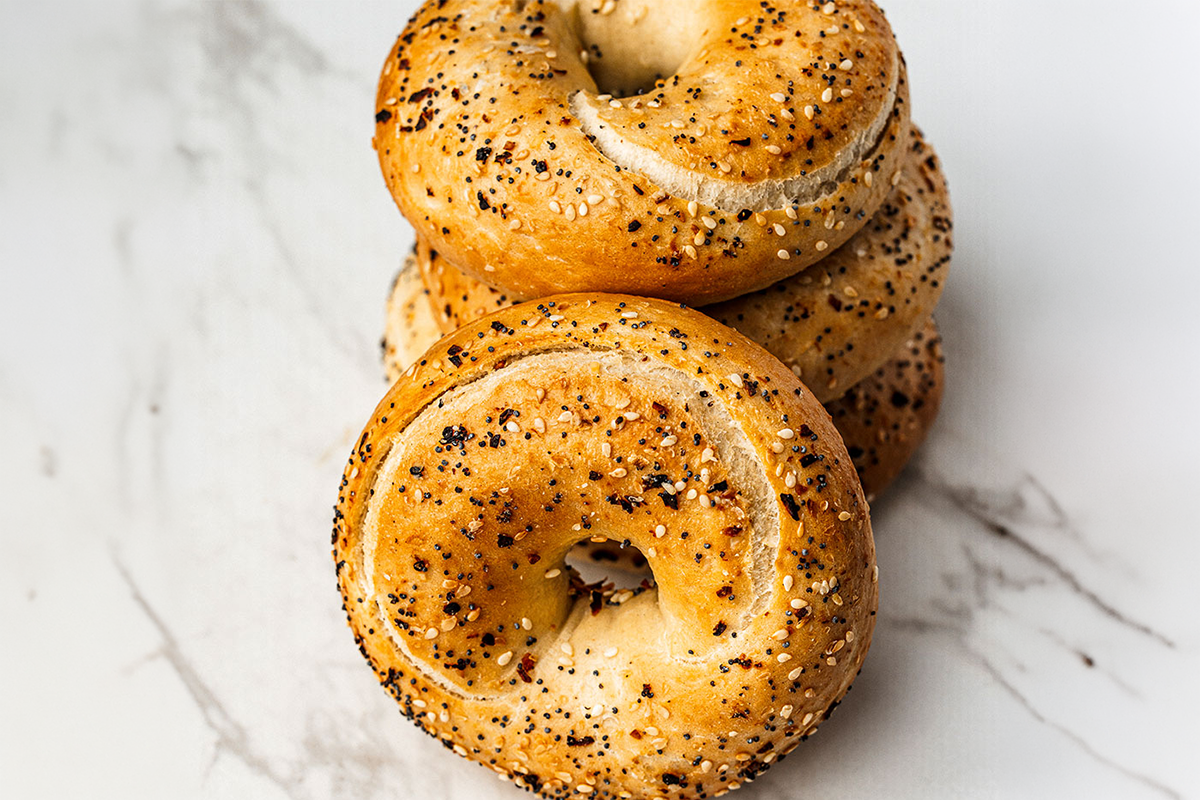
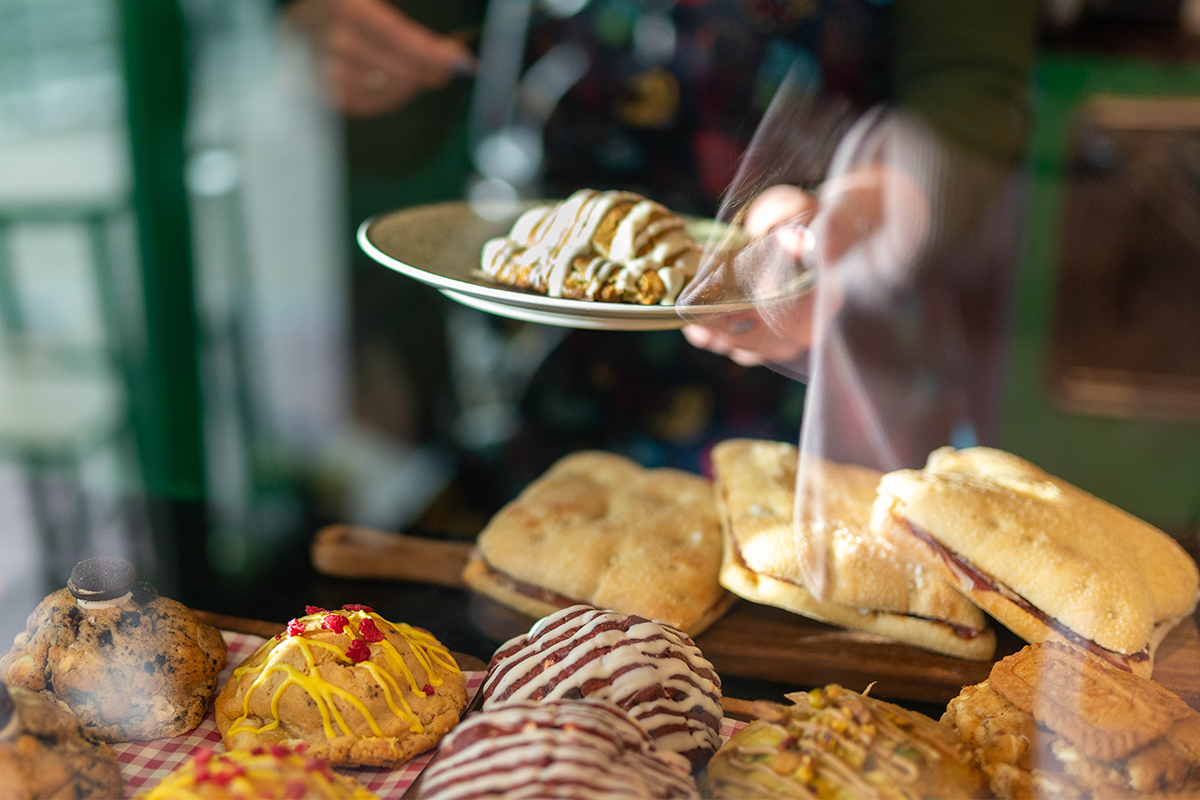
- Visual Quality: Colour, glaze, structure and finish act as immediate signals of value.
Together, these factors reduce what behavioural economists would describe as ‘friction cost’ – making it easier for the customer to move from consideration to purchase.
This is becoming increasingly important as cafés face rising costs. With margins under sustained pressure, operators are being forced to focus not just on range but on range productivity – how effectively each product converts when seen.
Streamlining the menu is not simply about operational simplicity; it is a direct lever for improving commercial performance. A tighter, more focused range increases product visibility, reduces waste and ensures each item has a clearer role in driving sales.
“In a higher-cost environment, every product has to earn its place,” added Walton. “The cafés performing best aren’t offering more choice – they’re reducing friction and making it easier for customers to say yes.”
The insight reflects a broader shift across the café and FTG sectors, where speed, clarity and operational simplicity are becoming key drivers of performance. As outlined in The Original Baker’s wider work on improving café sales, operators who align their offer with real customer behaviour, rather than assumed behaviour, are seeing stronger and more consistent results.
As customer attention becomes more limited and competition at the counter intensifies, understanding how people actually make decisions, not how we expect them to, is becoming critical.
Visit theoriginalbaker.co.uk.