
TOP OF THE POPS
Finding a home in a somewhat niche, albeit growing, beverage category is never easy. But Oatly’s plant-based milk has navigated this path exceptionally well, making them a worthy Captains of Industry entry.
What’s particularly encouraging is the momentum across the wider sector. Plant-based milk is back in growth, up 4.7% in value and 0.9% in volume1. Oat continues to lead the way, representing 59% of category sales2, so there’s a healthy backdrop to the brand’s overall success.
“Oatly remains the UK’s number one oat milk brand, with a 42% value share3, and we’ve continued to grow household penetration over the past year,” said Bryan Carroll, Oatly general manager, UK & Ireland.
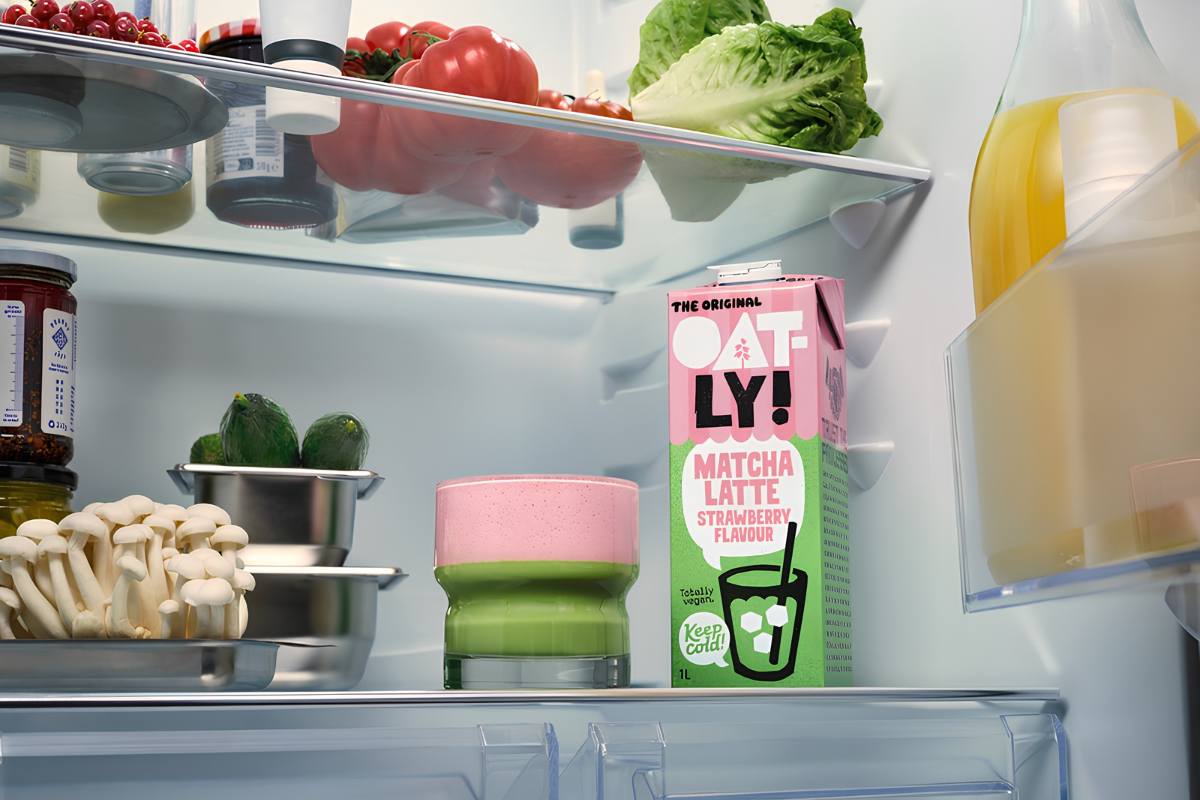
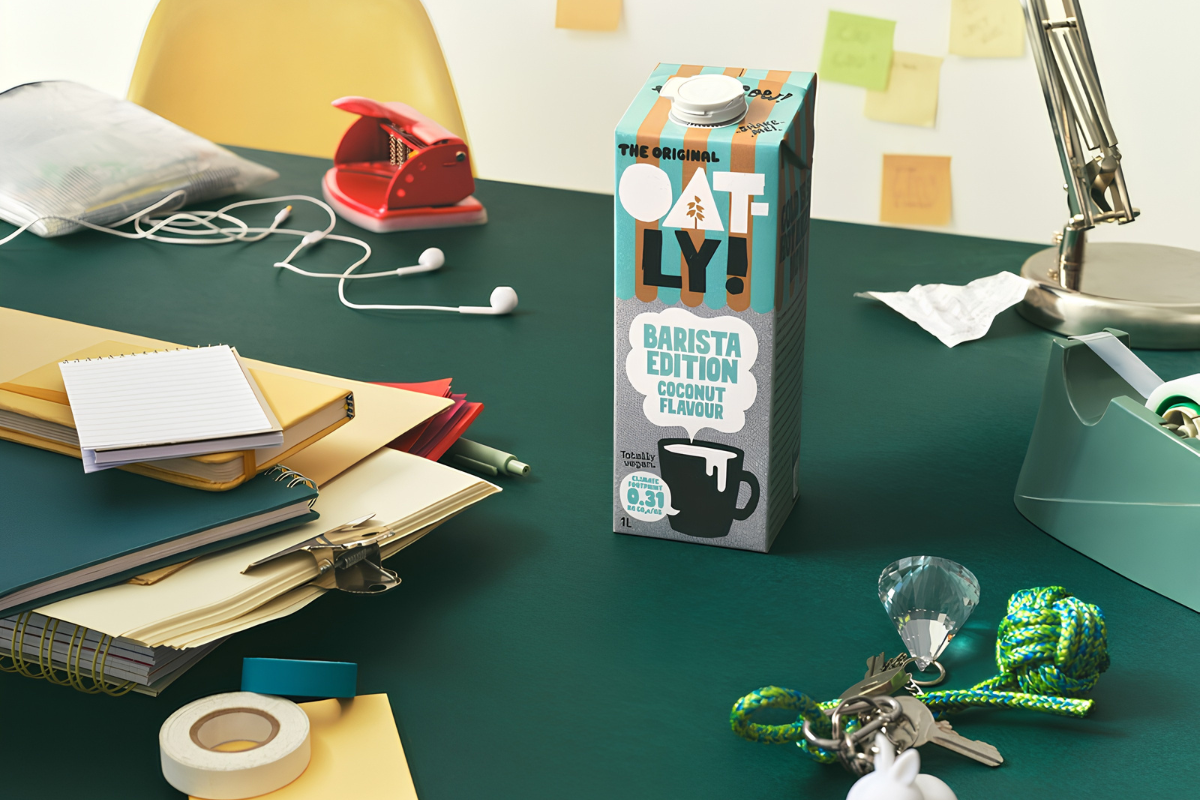
“A big part is continuing to give people more reasons and occasions to choose oat. This year, we’ve launched our Flavoured Barista range, expanded our matcha offer with Oatly Matcha Latte Strawberry Flavour, introduced two new fibre products and launched Cold Foam into cafés and coffee shops.
“Ultimately, it’s about making Oatly relevant and discoverable to more people, in more places and for more occasions.”
ALTERNATIVE & PLAYFUL
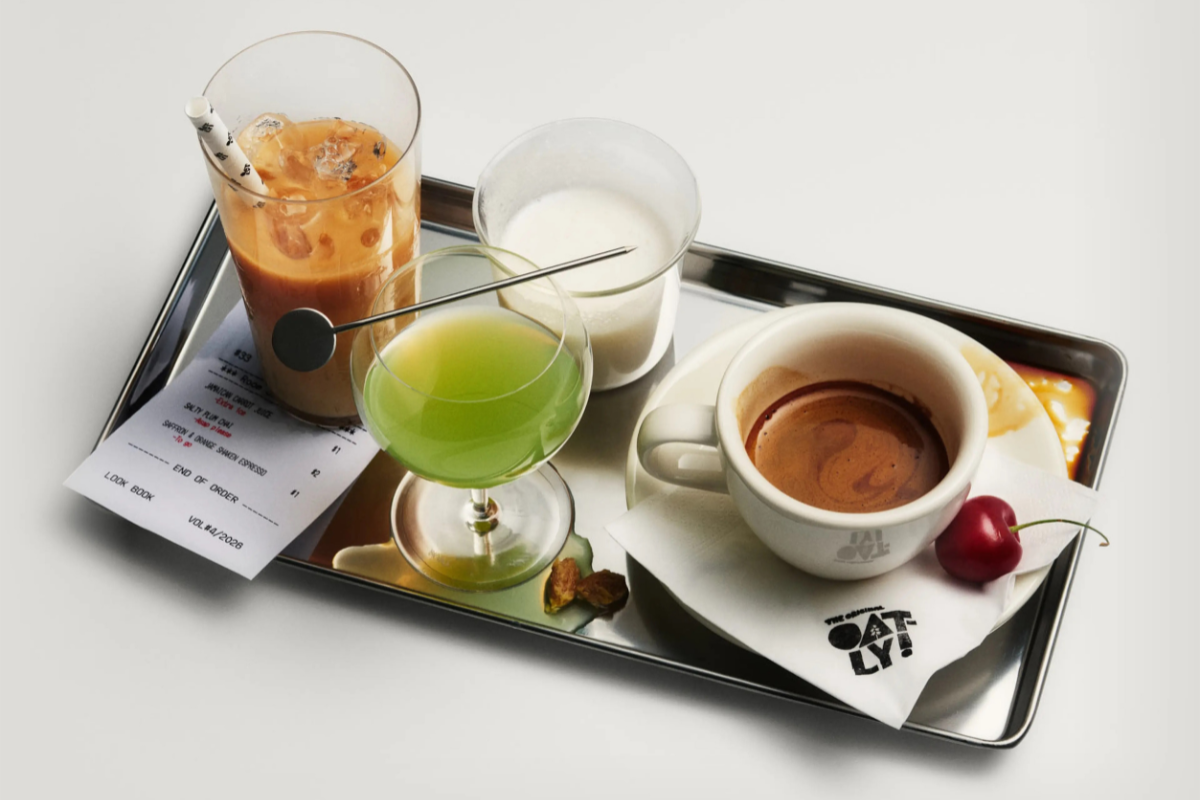
We can delve deeper into trends and data with Oatly’s latest iteration of its Future of Taste Report, Vol 2, built with insights from the global market development team. It looks at emerging trends expected to shape 2027. These range from herbs, botanicals and alternative refreshers to more playful textures, alongside the continued importance of cafés as spaces for human connection.
“One clear theme emerged: consumers increasingly expect more from their drinks. They want great taste and exciting flavours, while seeking products that offer more in terms of functionality,” continued Carroll.
“That’s something we’ve responded to directly with the launch of two new fibre products.
“Meanwhile, the Oatly Cold Foam delivers the experience consumers are increasingly looking for. For us, innovation is about understanding where there’s a genuine gap and creating products that make sense for both the people drinking them and the businesses serving them.”
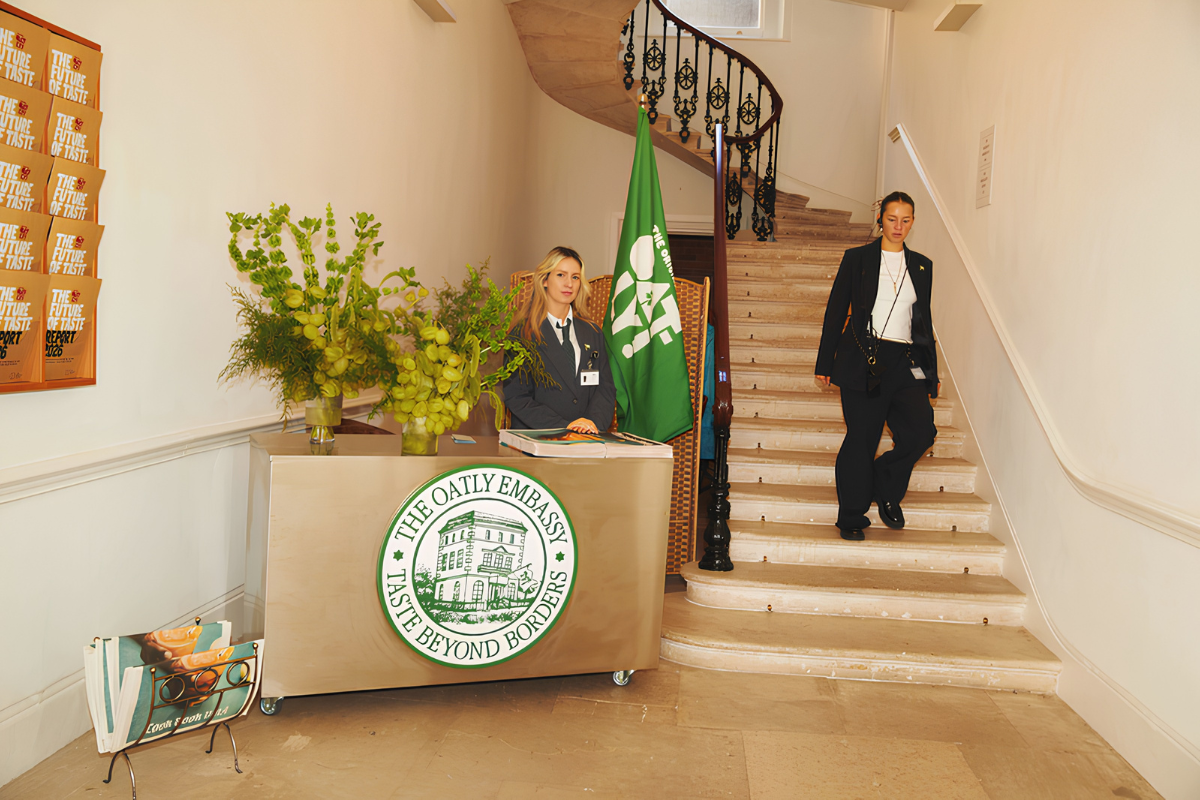
This philosophy runs through the wider innovation strategy. Most recently, Oatly brought that thinking together at The Embassy in South London, with three days of programming and new drink recipes inspired by Future of Taste and its latest Look Book.
NETWORKING NOUS
Oatly is in regular communication with baristas and café partners – the people on the ground, talking to consumers every day.
“We’ve launched many exciting partnerships this year, from cafés to community chess groups, to pizza restaurants and even spas. The ambition for 2027 is to keep growing the plant-based category and make choosing Oatly feel like an increasingly obvious, everyday choice.
“Plant-based milk is back in growth, with almost 44% of British households buying into the category, around £1 in every £104. Within that, oat is the clear leader, accounting for 59% of sales, with Oatly having a 42% value share.
“But there’s still a huge amount of headroom. Whether it’s the morning coffee, a smoothie with added fibre, a cold drink on the go or a Pandang cloud matcha!”
Fierce competition is a given – and Oatly remains steadfast in its determination to stay at the top.
“One major advantage is our network of Beverage Market Developers around the world. They’re close to what’s happening in food & drink culture and consumer behaviour. Those insights help us identify what could be coming next and, importantly, turn that into products and experiences that people actually want.
“Being the original doesn’t give you permission to stand still. We must combine what we’ve learnt from decades of working with oats with a constant curiosity about where culture and consumer tastes are heading next.”
KEEPING IT SIMPLE
High-street brands obviously dominate the café marketplace but there is a clear groundswell of support for UK independents.
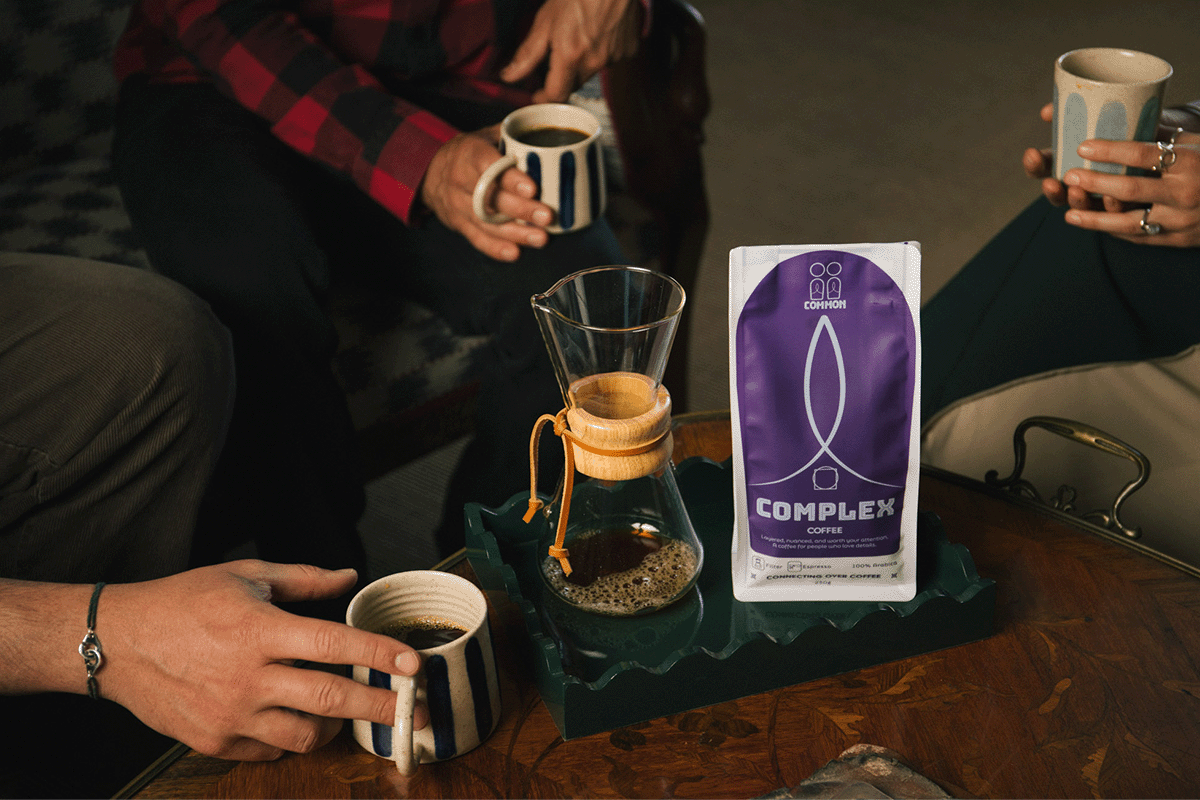
“Our latest Future of Taste Report identified community and connection as a really important aspect of future café culture. As lives become digital, convenient and algorithm-driven, there’s something increasingly valuable about the simple human interaction that happens across a counter or table.
“Whether it’s a big chain or independent, both are incredibly important. The big players bring reach and can make new drinks, flavours and formats accessible at scale, while independents are close to communities and create spaces that feel distinctive and personal.
“We’re also conscious that hospitality is operating in a challenging environment. We want to help operators respond to changing tastes in ways that are genuinely useful – whether that’s products solving a particular need, like our new Cold Foam, or by sharing the trends and insights we’re seeing across our global network.
“Oatly has a particular interest in the café’s role as a third space. Independents make up 85% of UK café venues, and as the way younger generations socialise changes, they an provide somewhere to meet, work and connect outside of home or traditional nightlife. We’re excited to play a role in that,” concluded Carroll.
Check out the Future of Taste Report at www.oatly.com
(1,2 & 3) Nielsen IQ, Total Coverage GB, Value & Volume Sales, 52 w/e 5.9.26.
(4) Worldpanel, 52 w/e 6.9.26.